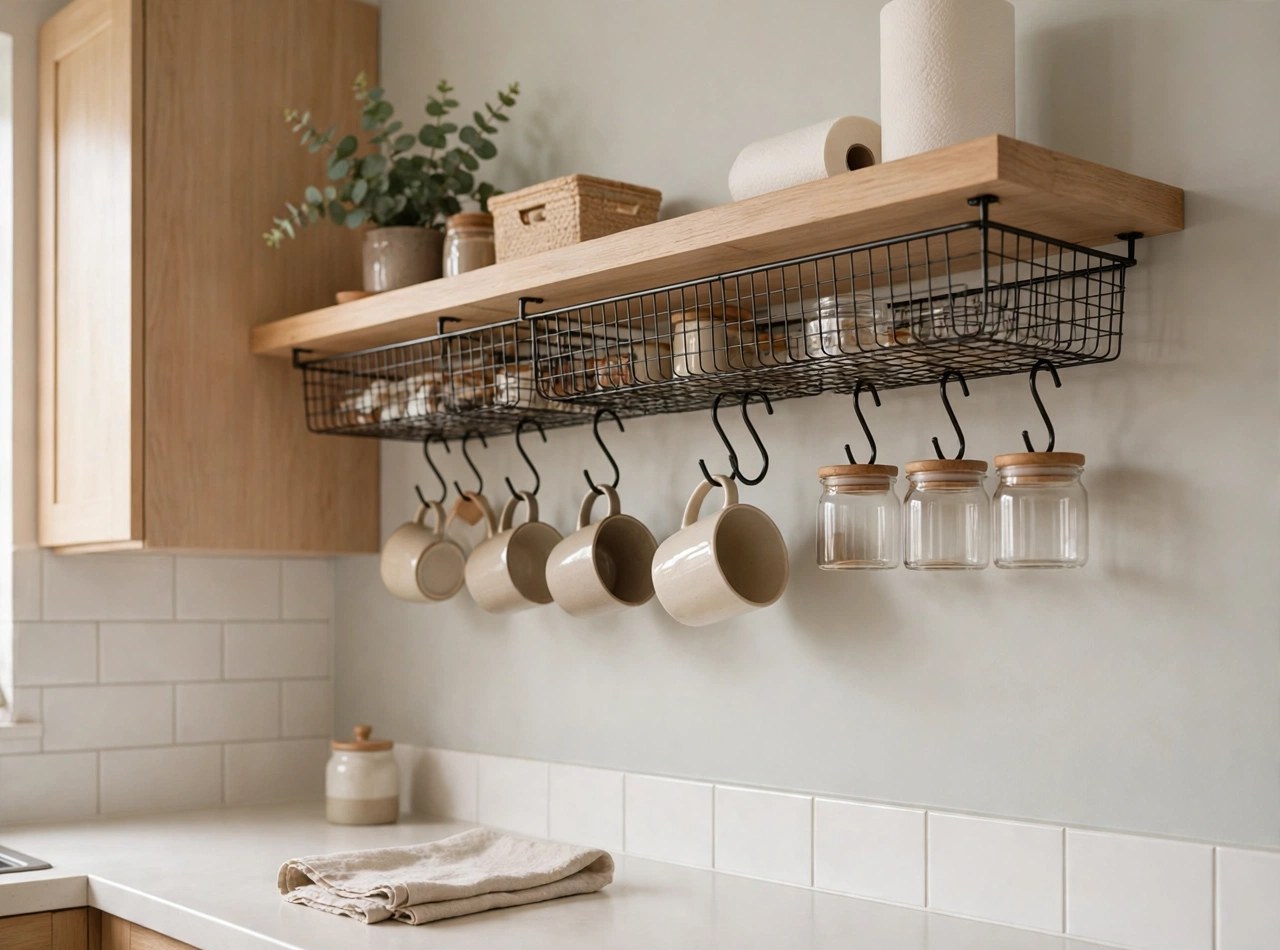
5 Under-Shelf Tricks for a Tiny Kitchen
Five under-shelf tricks that add storage without a remodel. Small kitchen, big difference.
See the tricks →Tiny Kitchen Storage Hacks
Five things to toss from a small kitchen today. Less clutter, more room to actually cook. A small kitchen does not need more storage first, it needs less stuff in it. Every item below is something most kitchens hold onto for years without using, and each one you remove frees a real spot for something you reach for every day. This takes ten minutes, a bin bag, and no shopping.
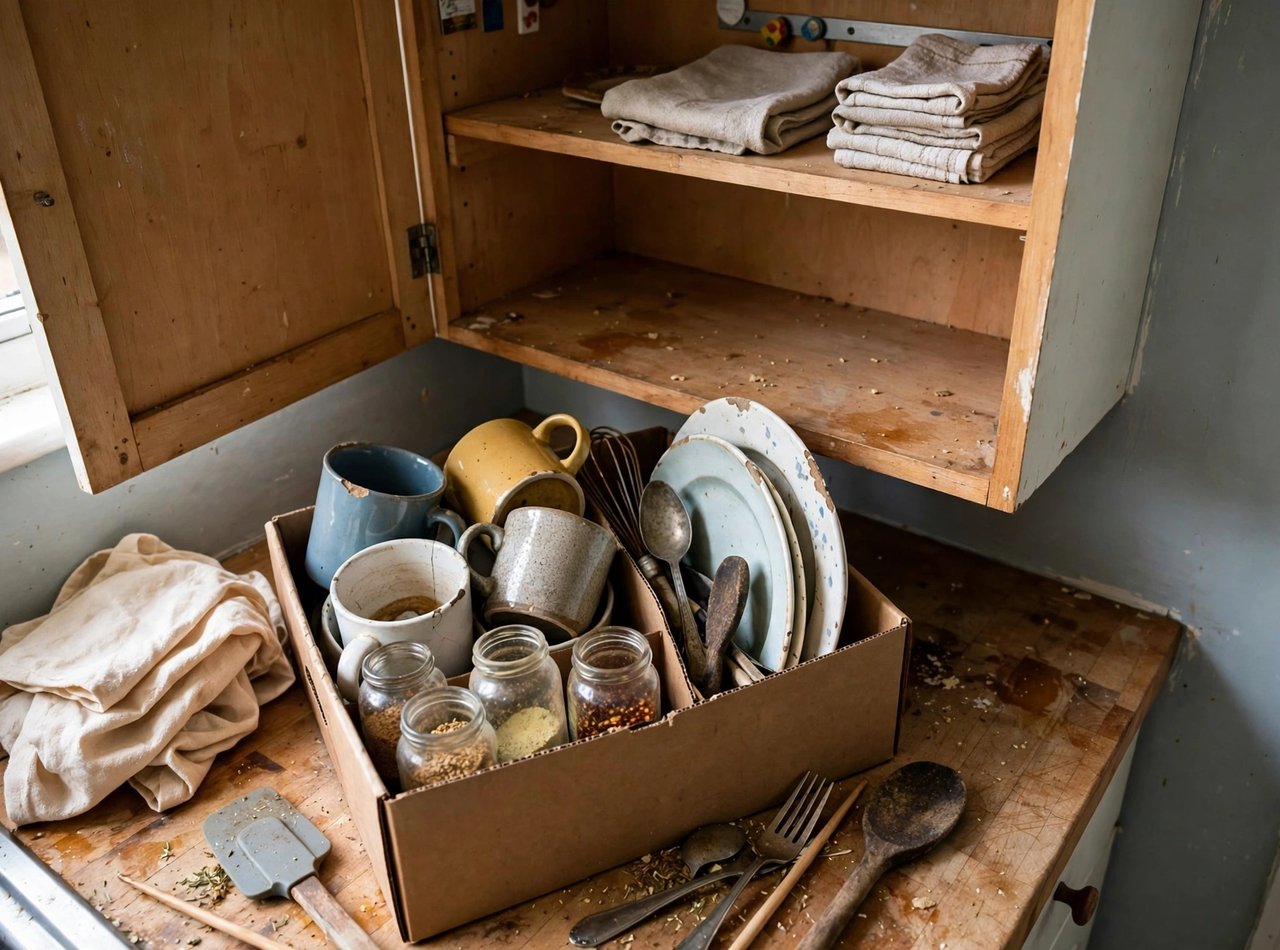
A chipped mug is not charming, it is a cut waiting to happen, and a cracked plate collects food in the crack no matter how well you wash it. Keep the two or three mugs you actually drink from and let the rest go. The same goes for plates: if you have not eaten off it in a month, you do not need it taking up a shelf. A small kitchen only needs enough dishes for the people who live there, plus two spares.
Ground spices go stale in about a year, and a spice that smells of nothing adds nothing to your food. Open each jar and sniff it. If it smells faint or dusty, toss it. Old spices are also the biggest space thief in a small kitchen, because they pile up in rows at the back of a cupboard while the ones you use daily hide behind them. Keep five or six you cook with every week and buy the rest in small amounts when a recipe needs them.
The avocado slicer, the egg separator, the garlic press you used twice, the strawberry huller from a gift set. Each one does a job a knife already does, and each one takes a drawer slot or a hook that a tool you use daily could have. If you have not used it in the last six months, it goes. Keep the tools that earn their place every week: a good knife, a spatula, tongs, and a peeler.
Open the container cupboard and pull out every tub that has no lid and every lid that has no tub. That is usually half the pile. Takeout containers warp and stain, and a stack of them with no matching lids is just plastic taking up a shelf. Keep three or four matched sets in one size, the ones you actually pack lunch in, and recycle the rest. Your cupboard will feel twice as big.
Dish towels that no longer dry anything, sponges that smell even after a wash, and wooden spoons with cracks or black marks. These are the things you touch every time you cook, and worn ones do a bad job and harbour germs. A cracked wooden spoon can also split further and leave splinters in food. Toss them and replace only what you need: two fresh towels, a new sponge, and one solid spoon. Small kitchens stay clean when the basics are fresh.
Decluttering works in a small kitchen because every inch is used, so every inch you free is an inch you can actually cook in. A drawer that closes easily, a shelf you can see across, a counter with one clear corner, those are the things that make weeknight cooking faster. The five items above are the easy wins: nobody misses a chipped mug or a stale spice, and the space they leave behind is the space your everyday tools have been missing. Tossing is also free, which beats buying another organizer to hold things you do not need.
Do not try all five at once if ten minutes feels like a lot. Pick the one that annoys you most, the container cupboard or the spice shelf, and clear just that. If it feels good, do the next one tomorrow. A small kitchen gets better one shelf at a time, and the easiest shelf to clear is the one holding things you already know you should toss.
Five under-shelf tricks that add storage without a remodel. Small kitchen, big difference.
See the tricks →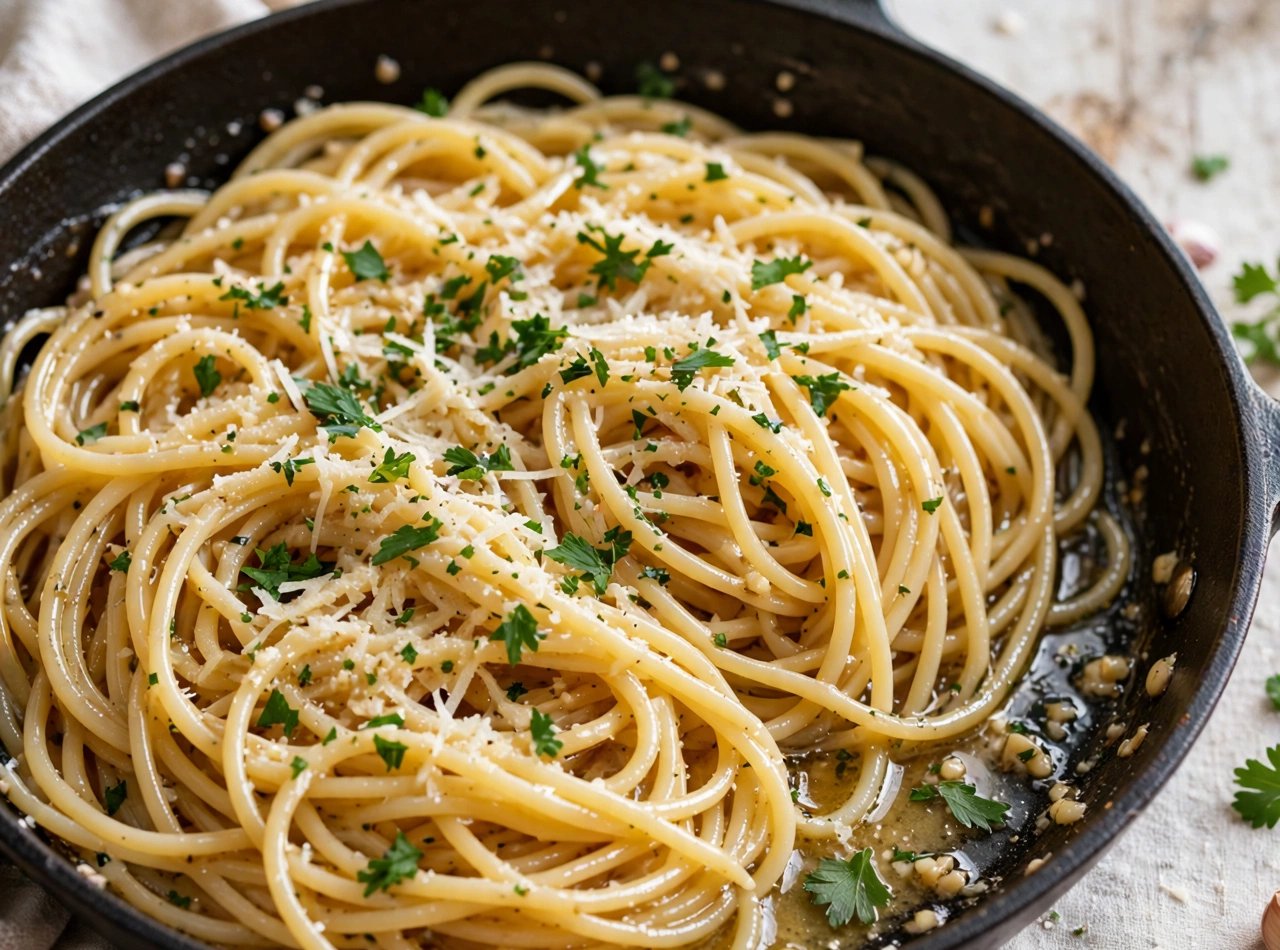
One pan, one pot of broth, dinner in 20 minutes. The pasta simmers right in the broth.
Get the recipe →